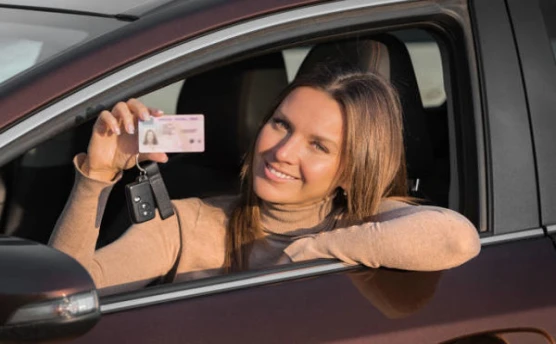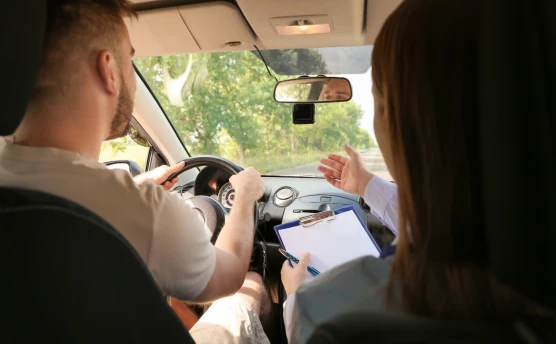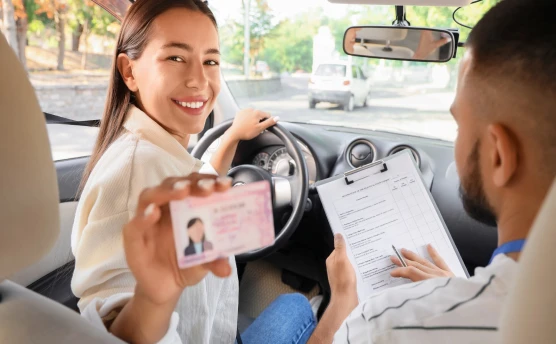
Driving in the United States can seem daunting at first, especially if you have limited experience or lack confidence. However, the process becomes easier once you understand the basics. The first step is obtaining a driver's license, which legally permits you to drive on U.S. roads. This involves learning the road rules, taking a written examination, and passing a driving test.
Familiarize yourself with road signs and symbols that are specific to the United States. This knowledge will help you navigate traffic laws and regulations more effectively. Most states provide official handbooks which detail the necessary information you need before taking your written test. These resources can be invaluable for first-time drivers.
Moreover, many states require that you have a certain amount of driving practice before you can take the road test for your license. Consider accompanying an experienced driver during practice sessions to build your experience and confidence. Remember, the more you practice, the more comfortable you will become with driving alone.
Fear of driving is a common issue, but it can be conquered with consistent practice. Start by driving in less congested areas until you feel more comfortable behind the wheel. This could mean practicing in quiet neighborhoods early in the morning or later in the evening when there is less traffic.
Gradually increase the difficulty of your driving routes to include roads that are more complex. This might involve driving on highways or in city traffic where there are more vehicles and pedestrians. Over time, these experiences will help build your confidence, making it easier to drive alone.
Remember that it's normal to feel apprehensive at first. It’s essential to remind yourself that every driver was once a beginner. Stay patient with yourself, acknowledge your progress, and keep practicing. With each successful drive, your fear will diminish, and you will become a competent solo driver.
Modern technology offers several tools to help new drivers feel more secure. GPS navigation systems and smartphone apps can assist you in finding your way, helping reduce anxiety about getting lost. These tools provide voice-guided directions, allowing you to focus on the road rather than reading maps.
Another technological aid includes driver assistance applications. These can suggest the best driving routes, provide real-time traffic updates, and help you find parking spots. Such applications can make your driving experience less stressful and more efficient, especially in unfamiliar areas.
Furthermore, many vehicles now come equipped with safety features like rearview cameras, lane departure warnings, and automatic braking systems. These advancements can significantly enhance your driving confidence by providing additional layers of security while you’re driving alone.
Driving on highways can be particularly intimidating for new drivers, but it's an essential part of becoming a confident driver. Start on less busy highways and at times when traffic is lighter. Pay close attention to speed limits and practice changing lanes safely.
It’s helpful to know that highways generally have fewer intersections and pedestrians, which makes them surprisingly less complex than city driving. Focus on maintaining a safe following distance and using your mirrors to stay aware of your surroundings.
By gradually spending more time driving on highways, you'll notice that the experience becomes less daunting. With practice, you'll learn to maintain steady speeds and manage your vehicle efficiently even in higher-speed environments, ultimately boosting your confidence significantly.
Establishing a routine can be beneficial for new drivers. Set aside regular times to practice driving each week. This consistency helps reinforce the skills you’re learning and decreases overall anxiety associated with driving.
Consider journaling your driving experiences, noting down what you did well and areas for improvement. This self-assessment can offer valuable insights and help you track your progress over time. Encourage family or friends to accompany you during some practice sessions to provide support and feedback.
Another approach to gaining confidence is to enroll in a driving class with a professional instructor. They can offer personalized advice and techniques to improve your driving skills. This structured learning environment can be especially beneficial for overcoming specific fears related to driving.
Driving alone symbolizes independence and responsibility. As you prepare to drive solo, set personal goals for what you'd like to achieve, whether it's driving to work independently or going on a road trip.
Understanding the responsibilities associated with being a safe driver is crucial. This includes regular vehicle maintenance checks, obeying traffic laws, and being mindful of your surroundings. Knowing that you’re a responsible driver can help boost your confidence on the road.
Finally, reflect on how gaining a driver's license will positively impact your life. The ability to drive opens up new opportunities and provides the freedom to explore. Embrace this journey with a positive mindset, and take pride in each new milestone you achieve on the road to becoming a confident solo driver.